When Discord Isn’t Enough: The Growing Pains No One Prepares For
Discord is an incredible tool.
It makes it easy to start a community. Easy to create channels. Easy to invite friends. Easy to grow fast.
What it doesn’t do is teach anyone how to run what they just built.
Most communities launch without any real design behind them. Channels accumulate. Roles multiply. Bots are added reactively. Rules evolve emotionally. Traditions form accidentally. Leadership titles exist without authority. Authority exists without clarity.
At small scale, this works.
At medium scale, it strains.
At large scale, it breaks.
As communities grow, their needs change. They need onboarding experiences, not just welcome channels. They need conflict processes, not just rules. They need leadership pipelines, not just admins. They need event calendars, competitive formats, creator pathways, and communication standards.
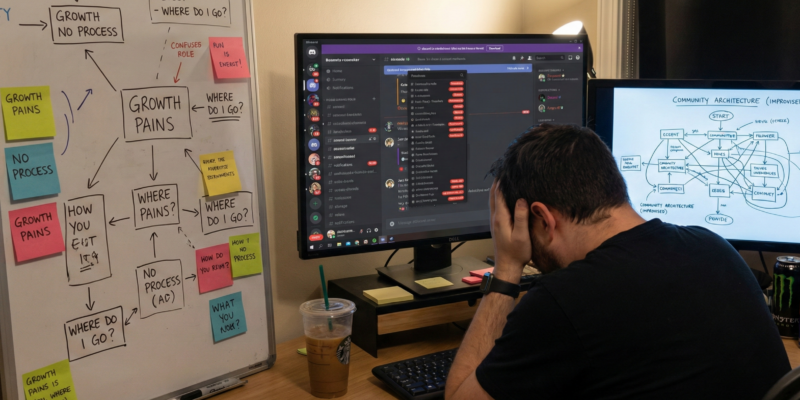
Without intentional design, Discord becomes a maze. New members don’t know where to go. Mods don’t know what they own. Leaders debate instead of decide. Founders become bottlenecks.
Technology doesn’t fail these communities.
Design does.
Discord can host a community.
It cannot architect one.
The communities that survive long term are the ones that eventually realize they are no longer just running a server. They are running a system of people, culture, programs, and expectations.
And systems must be built.
Gaming communities don’t outgrow Discord.
They outgrow improvisation.